A new facility manager on Reddit put it bluntly: they’d inherited several manufacturing sites, cleaning was “one of the trickiest things to keep consistent”, and the paper checklists weren’t cutting it. The question underneath is always the same, how often should this place actually be cleaned?
There’s no single answer, but there is a framework. Here’s how to build a factory cleaning schedule that fits your site, your industry and Perth’s seasons, and where a professional industrial cleaning team in Perth fits into the picture.
What Drives Cleaning Frequency?
- What you make or store: food and pharma demand far tighter regimes than general storage
- Traffic: forklift movements, shift changes and loading dock turnover generate most of the soil
- Dust load: cutting, sanding, packaging and outdoor yard traffic, airborne dust is a documented workplace health issue under WA Department of Health guidance
- Regulatory exposure: audits, HACCP plans, customer inspections, the WHS baseline is set by WorkSafe WA, with general duties summarised on business.gov.au
- Season: WA’s dry summers blow dust through open docks; winters track mud inside
Location matters too, facilities in the City of Canning‘s Canning Vale industrial belt or the Joondalup/Wangara corridor deal with different dust and drainage conditions than the older Welshpool estates.
A Starting Schedule by Facility Type
- General warehouse/logistics: sweep high-traffic areas 1–2× per week; scrub quarterly; high dusting annually
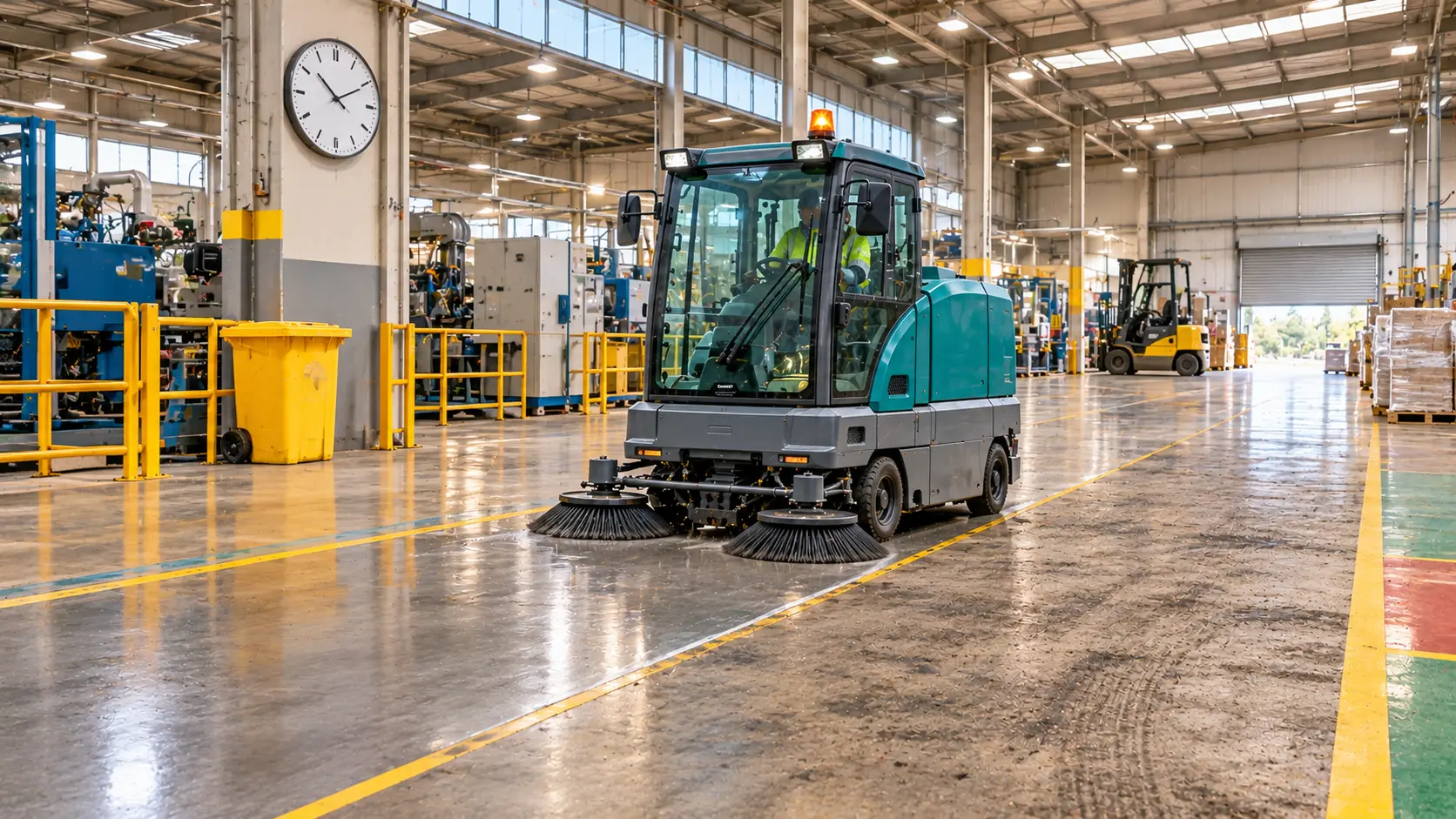
- Manufacturing/workshops: sweep production floors daily or per shift; degrease and scrub monthly to quarterly depending on oil load
- Food and packaging: daily sanitation of production zones; scrub floors weekly; documented deep clean monthly
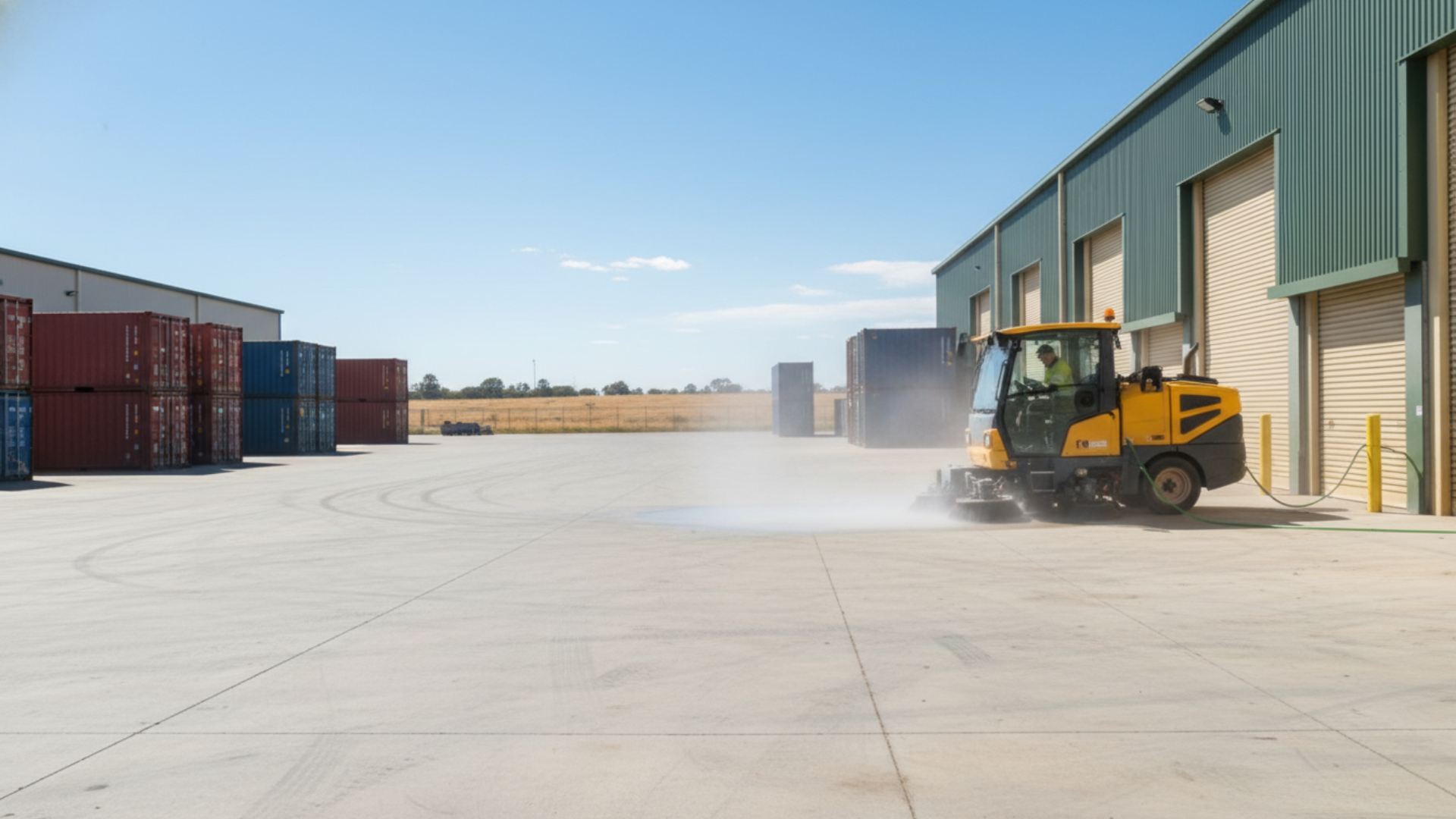
- Heavy industrial/plant: sweep hardstand and dock areas weekly; pressure clean wash-down zones monthly to quarterly, and route washdown water through approved trade waste, per DWER requirements
- Office/amenities within the facility: daily, same as any commercial office
Adjust from there, if a weekly sweep leaves visible grit by Wednesday, move to twice a week rather than accepting a mid-week mess.
How Do You Keep the Schedule Consistent?
This is where most in-house programs fall apart, exactly what that facility manager on Reddit was describing. What works:
- Zone it: split the site into zones with their own frequencies, rather than one big checklist
- Log it: digital sign-off or photos, so “did it” has evidence
- Own it: one named contractor or coordinator per zone, not “whoever’s free”
- Audit it: a monthly walk-through against the schedule, not against best intentions
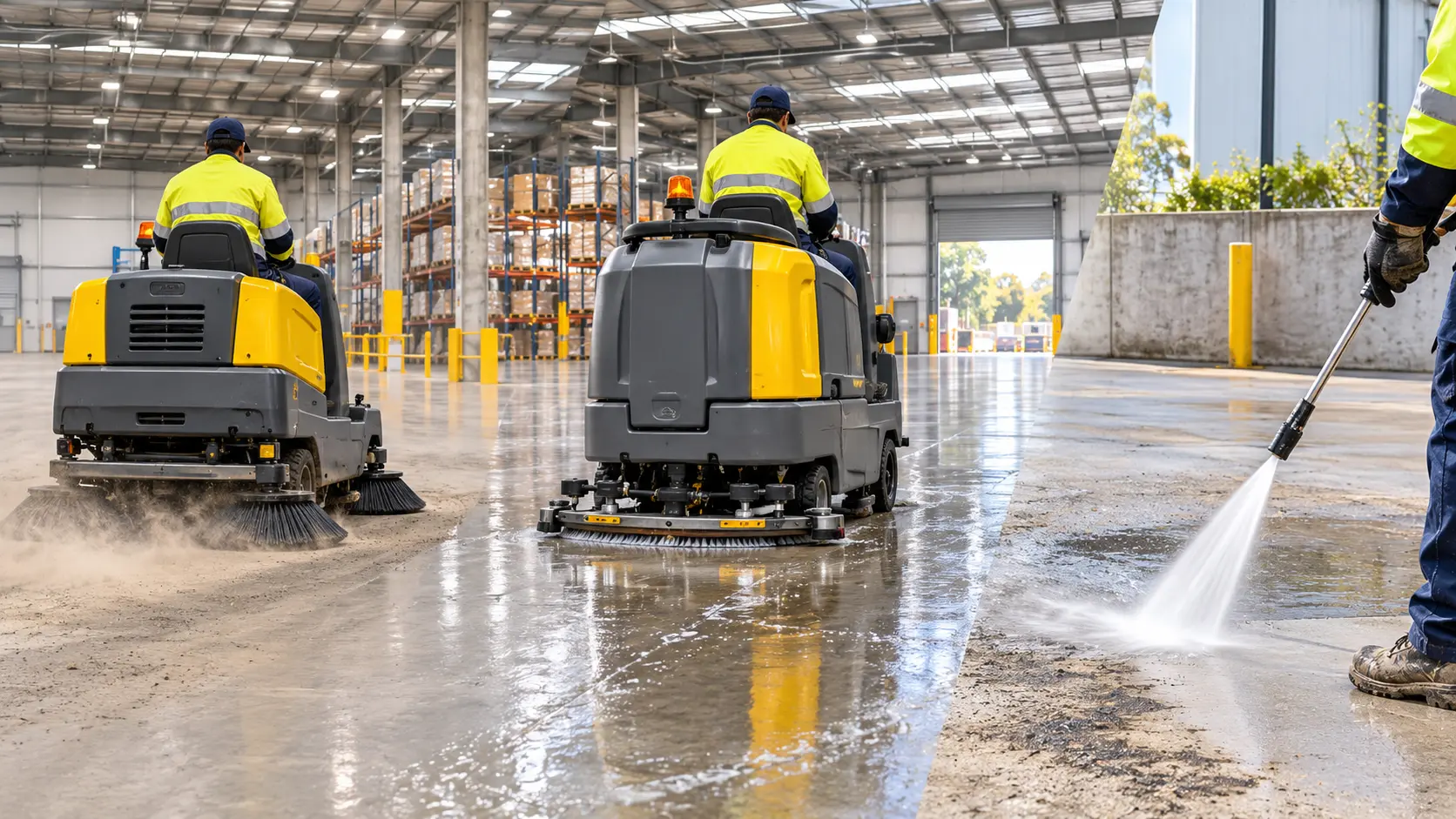
Outsourcing the sweeping and scrubbing to a scheduled contractor takes the whole mechanical-cleaning layer out of your internal checklist, it happens whether or not the week got busy.
What Should Never Wait for the Schedule?
- Spills, oil, chemicals or product on floors are immediate hazards; escalate straight away
- Blocked dock doors or drainage after storms
- Any buildup that changes floor grip or visibility of line marking
For the spill cases, a rapid response matters, spill removal and scrubbing services exist for exactly that, and scheduled clients get priority response.
FAQ
Q: How often should a warehouse floor be scrubbed?
A: Quarterly is a solid default for general logistics; monthly for food, pharma or high-visibility sites.
Q: Is daily sweeping overkill for a factory?
A: Not for production floors, most factories sweep daily or per shift. Daily applies to the zones that generate soil, not the whole site.
Q: What’s the cheapest way to run a factory cleaning schedule?
A: Preventive frequency. Regular sweeping stops grime forming, which cuts how often you need the expensive deep cleans.
Q: Should cleaning happen during shifts or after hours?
A: Mechanical sweeping and scrubbing usually run after hours or in quiet windows so forklifts and crews aren’t sharing aisles.
Q: How do I know my schedule is failing?
A: Grit between sweeps, grime returning within weeks of a scrub, complaints from staff, or audit notes. Any one of those means bump the frequency.
Build the Schedule Around Your Site
A one-hour site walk-through is enough to map zones, traffic and dust sources into a realistic schedule. Talk to WA Sweeping & Scrubbing, we’ll propose the frequencies and run them on contract, with reports you can hand straight to an auditor.