A facility manager on Reddit recently summed up what most WA site managers are quietly dealing with: some weeks the floor is spotless, other weeks basic sweeping gets missed entirely, and no one’s sure which machine or method is actually needed. If you’ve been quoted for sweeping, scrubbing and pressure cleaning all at once, it’s fair to ask, do you really need all three?
The short answer: probably not all at once, but each does a different job. Here’s how the three methods stack up for Perth warehouse and factory floors, and how to work out what your site actually needs. If you want it sorted in one visit, a Perth industrial cleaning service can assess the floor and match the method, but read on first so you know what you’re being quoted for.
What Does Sweeping Actually Remove?
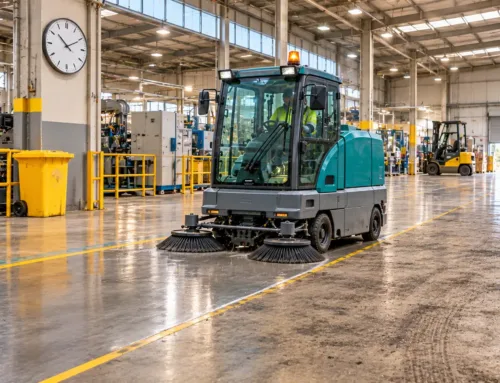
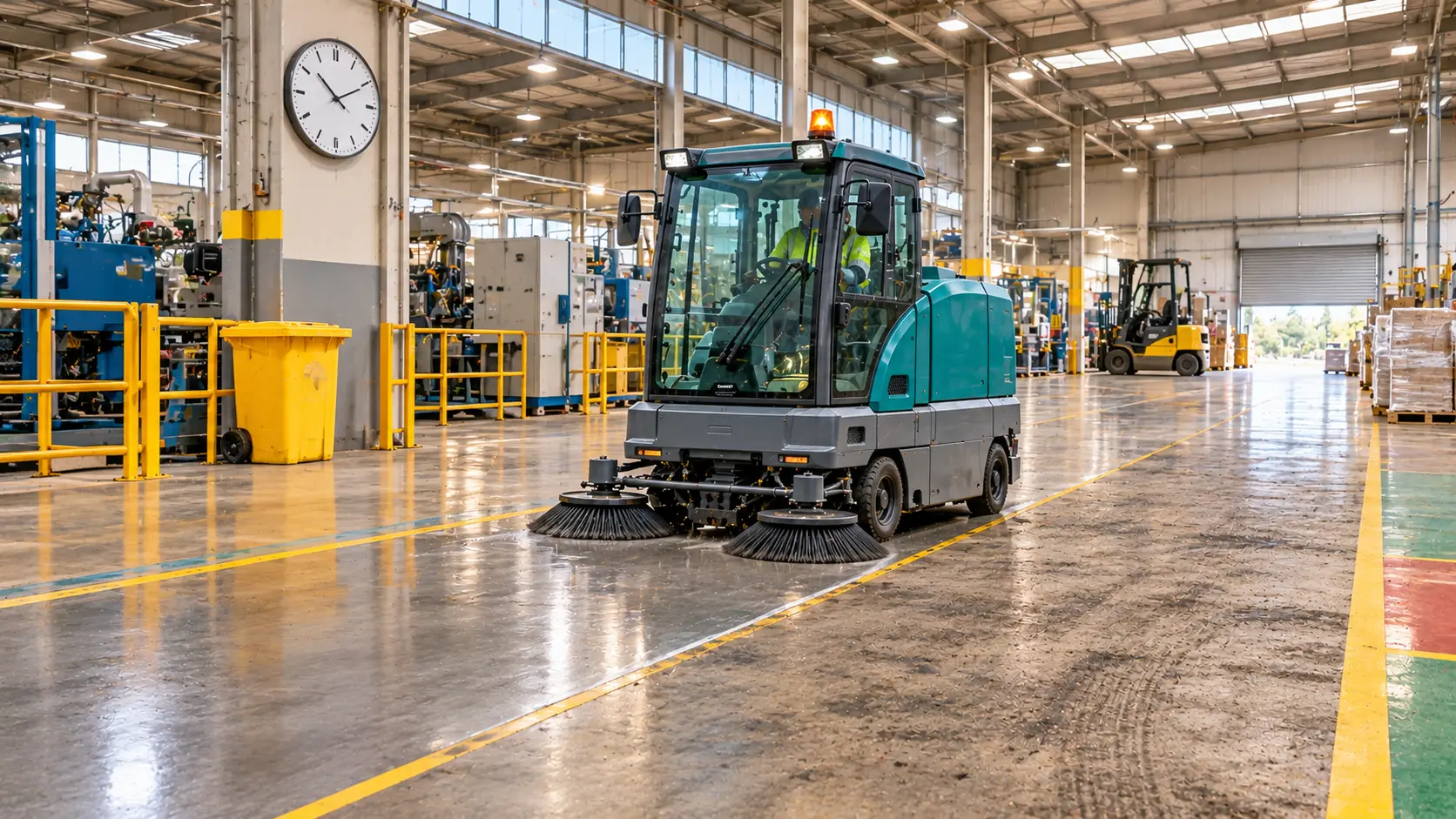
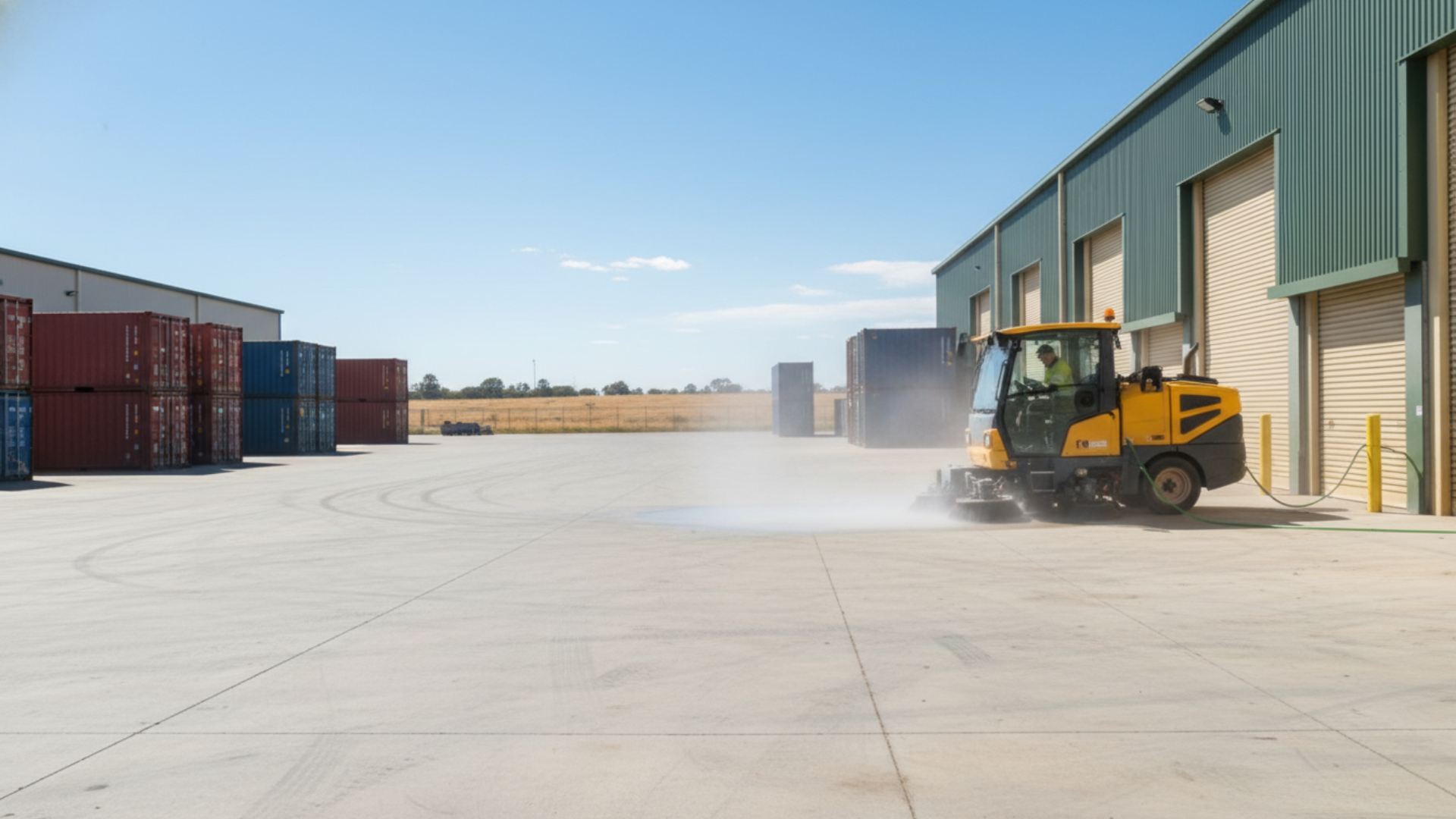
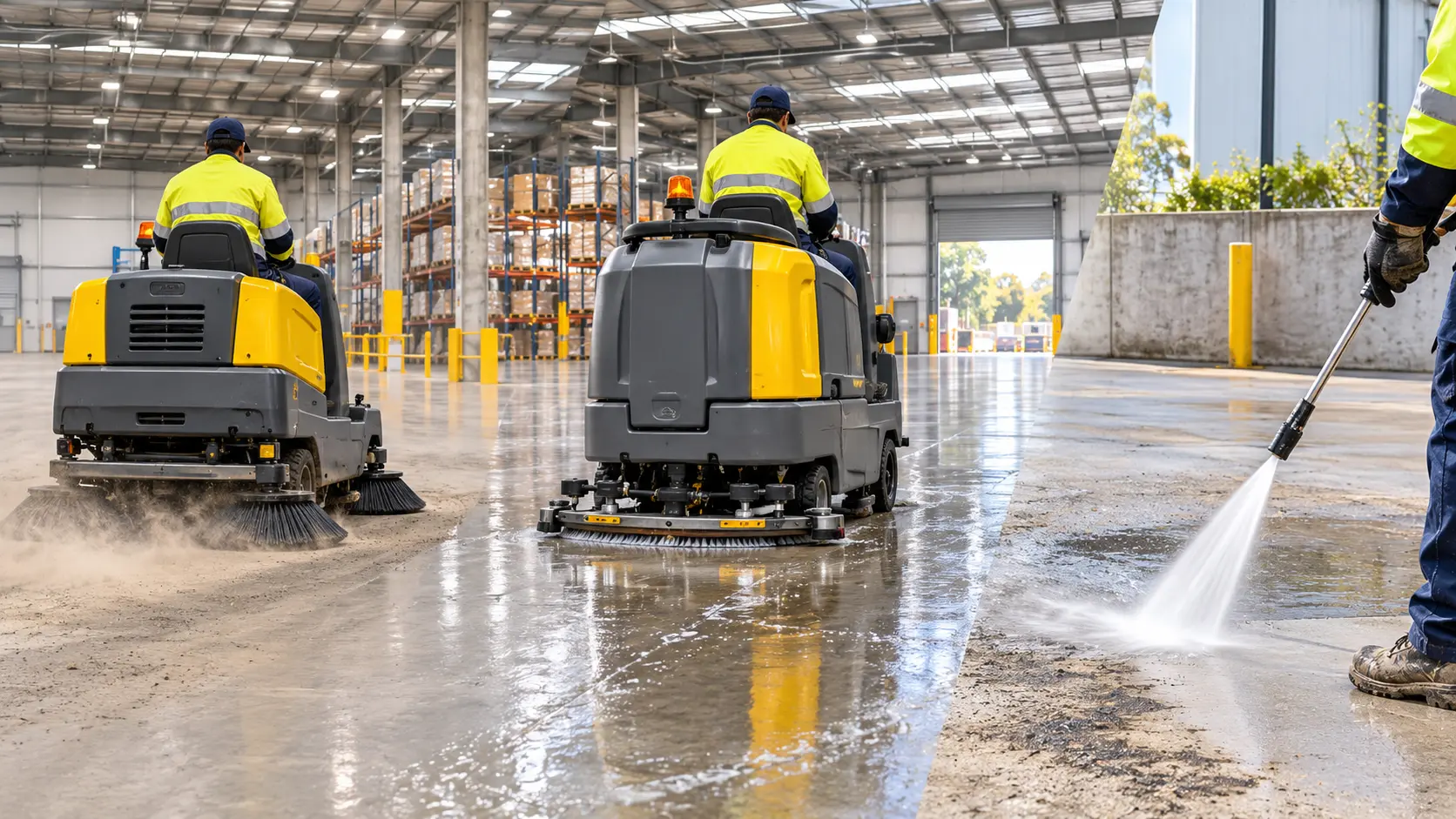
Sweeping handles the loose stuff: dust, sand, leaves, pallet debris, broken strapping and general litter. Ride-on sweepers cover large slabs fast, which is why they’re the backbone of warehouse sweeping in Perth, most big facilities in Welshpool, Kewdale and Canning Vale get swept on a routine cycle. Grit and dust that leave the site onto public roads is also a road-safety issue Main Roads WA takes seriously, so a good sweep schedule protects more than your floor.
- Best for: regular maintenance, high-traffic aisles, loading docks, hardstand areas
- Won’t fix: grime bonded to the concrete, oil stains, tyre marks
- How often: weekly is a common starting point for busy industrial sites; dusty summer months in WA often push it to two or three times a week
When Does a Floor Need Scrubbing Instead?
Scrubbing is the deep clean. A ride-on scrubber lays water (and often detergent), agitates the surface with brushes or pads, and vacuums it back up in one pass. It lifts what sweeping can’t: embedded grime, tyre residue, grease film and the grey “traffic lane” look that develops along forklift routes.
- Best for: periodic deep cleans, forklift traffic lanes, food and packaging sites, workshops with oil and grease
- Won’t fix: heavy caked-on buildup, moss or algae in outdoor areas, deep stains
- How often: quarterly is typical; monthly for food-grade or high-visibility sites
What About Pressure Cleaning?
Pressure cleaning is for the heavy end: caked mud, hardened grease, moss on external surfaces, loading dock buildups and walls. It uses high-pressure water jets rather than brushes, and it’s the go-to for outdoor and semi-enclosed areas where runoff can be managed. You can see the pressure cleaning service details for what’s included, but as a rule of thumb: if sweeping and scrubbing can’t shift it, pressure will. One WA note before you blast away: washdown water can’t just run into stormwater, the Department of Water and Environmental Regulation sets the rules on runoff, and summer water restrictions from Water Corporation apply to commercial sites too.
- Best for: exterior slabs, loading docks, walls, stubborn stains, algae and moss
- Won’t fix: everyday loose dust (overkill, sweeping is cheaper and faster)
- How often: once or twice a year, or after major spill/contamination events
Which Method Does Your Perth Site Need?
It’s also a safety question, not just a cosmetic one. WorkSafe WA and the Australian Government’s business.gov.au WHS guidance both expect floors kept free of slip and trip hazards, and greasy or dusty concrete is where incidents happen. Work through the methods in order:
- Loose debris and dust day-to-day? Sweeping.
- Grey, greasy or marked floors that sweeping no longer improves? Scrubbing.
- Caked buildup, moss, or stained external surfaces? Pressure cleaning.
Most Perth facilities need all three on different cycles, sweeping weekly or fortnightly, scrubbing quarterly, pressure cleaning annually. A common trap is pressure-cleaning a floor that just needed a proper sweep schedule, or scrubbing monthly when a weekly sweep would have stopped the buildup forming in the first place.
Why the Order Matters
Pressure washing a floor without sweeping first just pushes grit around and can scour the surface. Scrubbing over loose dust clogs the pads and wastes water. Every method works better, and costs less, when the step before it is done properly. That’s why a contractor who offers all three under one roof is usually better value than three separate hires.
FAQ
Q: Can I just pressure clean the whole warehouse floor instead of sweeping?
A: You could, but it’s slower, wetter and far more expensive than a routine sweep. Pressure is a periodic deep-clean tool, not a maintenance tool.
Q: How do I know if my floor needs scrubbing or just sweeping?
A: Sweep first. If the grey film, tyre marks or grease still show after a proper sweep, that’s embedded grime, scrubbing time.
Q: Will scrubbing damage my epoxy or sealed floor?
A: Not when done with the right pads and detergents. Flag the surface type before the job so the correct pad and chemistry are used.
Q: How long does a ride-on scrub take on a 2,000m² warehouse?
A: Typically a couple of hours including setup, and it can run after hours so production isn’t interrupted.
Q: Do I need all three services on a contract?
A: Not necessarily. Most sites start with a sweep schedule and add periodic scrubbing or pressure cleans as the floor condition dictates.
Get the Right Method Matched to Your Floor
A quick site walk-through is all it takes to map out which floors need sweeping, which need scrubbing and which need a pressure clean, and on what cycle. Talk to WA Sweeping & Scrubbing for a no-obligation assessment of your Perth facility.